

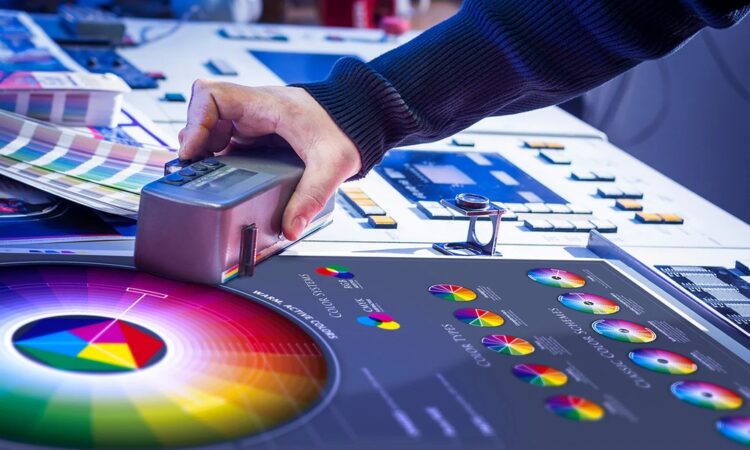
The printing industry is undergoing a massive transformation, driven by cutting-edge technologies that are reshaping how businesses and individuals approach printing services. From 3D printing to on-demand digital production, the possibilities seem endless, and the future of printing is brighter than ever. But what does this mean for businesses that rely on printed materials for marketing, packaging, and communication?
In this post, we’ll dive deep into how technology is transforming printing services, explore the innovations that are shaping the future of the industry, and discuss what businesses can expect moving forward. Whether you’re a small business owner or an industry professional, this post will give you valuable insights into how you can harness these technological advancements to stay ahead of the curve.
1. The Shift from Traditional to Digital Printing
For years, traditional printing services-like offset printing-were the gold standard for large-volume printing. However, the rise of digital printing has completely changed the game. Digital printing eliminates many of the setup costs and time-consuming processes associated with traditional methods, allowing businesses to print smaller quantities more cost-effectively.
The Rise of On-Demand Printing
One of the major shifts that digital printing brings is on-demand printing. This technology allows businesses to print exactly what they need when they need it, without having to worry about excess inventory. For marketing materials, brochures, and even packaging, digital printing offers the flexibility to produce materials in smaller runs, significantly reducing waste and saving money.
With on-demand printing, businesses can quickly adjust their marketing materials to align with current trends, product launches, or specific customer needs. This shift also enables faster turnaround times, which is a huge advantage for businesses needing quick access to printed materials.
Shorter Runs, Better Quality
Digital printing technology has evolved significantly over the years, now offering high-quality prints even for smaller runs. High-resolution digital printers can produce sharp text and vibrant colours, allowing businesses to maintain a professional look without sacrificing quality. This is particularly important for businesses that need to deliver exceptional printed materials like marketing brochures, promotional posters, or custom business cards.
2. 3D Printing: A Game-Changer for Product Prototyping and Manufacturing
While digital printing has revolutionized traditional 2D printing services, 3D printing is making waves in product development and manufacturing. Unlike conventional printing, which is limited to flat materials, 3D printing allows businesses to create physical objects layer by layer, offering incredible flexibility for prototyping and product design.
How 3D Printing is Impacting Printing Services
3D printing is not just for creating prototypes; it’s changing the entire supply chain for manufacturing and product development. Printing services are increasingly being used to produce custom parts, packaging, and even finished goods. Businesses can now create highly customized products with complex designs that would be difficult or impossible to achieve using traditional manufacturing methods.
For example, the fashion and jewelry industries are leveraging 3D printing to create customized designs at scale, allowing for faster production times and more intricate designs. The same applies to the automotive and aerospace industries, where 3D printing is used to produce lightweight parts that reduce costs and improve performance.
From Prototypes to End-Use Products
While 3D printing is still in its early stages for large-scale production, the technology is rapidly advancing. In the future, we can expect printing services to offer the ability to produce both prototypes and end-use products, offering businesses a cost-effective, flexible solution for everything from product design to manufacturing.
3. Sustainability in Printing: Eco-Friendly Technologies and Practices
As the world becomes more conscious of environmental issues, printing services are adopting eco-friendly technologies and practices to reduce their environmental impact. Sustainable printing is a growing trend, and technology is playing a crucial role in making this possible.
Energy-Efficient Printing Systems
One of the key ways technology is driving sustainability in printing is through the use of energy-efficient printing systems. Advanced printers are designed to consume less energy and reduce waste, making it easier for businesses to print in an eco-friendly way. These energy-efficient systems also reduce operational costs, providing additional savings for businesses.
Recyclable and Sustainable Materials
Printing companies are increasingly adopting recyclable and sustainable materials in their production processes. From biodegradable inks to paper made from recycled materials, these advancements are helping businesses reduce their carbon footprint while maintaining high-quality printed products. In addition, some printing services are now offering environmentally friendly packaging options, ensuring that every step of the printing process is as sustainable as possible.
Reducing Waste with On-Demand Printing
As mentioned earlier, on-demand printing reduces the need for excess inventory, which in turn minimizes paper waste. By only printing what’s needed, businesses can avoid the environmental cost of discarded printed materials and create a more sustainable production cycle.
4. The Rise of Variable Data Printing: Personalization at Scale
Personalization is no longer just a buzzword-it’s an expectation. In the world of marketing, variable data printing (VDP) allows businesses to personalize their printed materials at scale. This technology enables printing services to customize each piece of printed material with unique information, such as customer names, addresses, or product recommendations.
How Variable Data Printing Works
Variable data printing uses digital printing technology to adjust individual elements in each printed piece without changing the overall layout or design. For example, a marketing campaign may involve sending personalized brochures to customers, each with a unique offer based on their preferences or past purchases.
This personalization can increase customer engagement, improve response rates, and drive sales, making VDP a powerful tool for businesses that want to connect with their audience on a more personal level.
Scaling Personalization for Large Campaigns
One of the major advantages of variable data printing is the ability to scale personalization. What used to be a tedious and expensive process can now be done quickly and affordably using modern printing services. Businesses can send personalized direct mail, product catalogs, and promotional materials without the hassle of manually altering designs for each customer.
5. Artificial Intelligence and Automation in the Printing Process
Artificial intelligence (AI) and automation are rapidly transforming the printing services industry. AI is being used to optimize print quality, streamline workflows, and enhance the overall efficiency of printing processes. These advancements are helping businesses get high-quality prints faster and at a lower cost.
AI-Powered Design and Pre-Press Automation
AI is now being integrated into the design and pre-press stages of printing. With AI, businesses can use advanced software to automatically detect design errors, optimize layouts, and ensure the final print is of the highest quality. This reduces the likelihood of costly mistakes and ensures that the printed materials meet the required standards.
Automated Workflow for Faster Turnarounds
Automation in the printing process has drastically improved efficiency. From automatic paper loading and ink management to fully automated finishing processes, printing services are becoming faster and more reliable. Businesses that need quick turnaround times can benefit from these automation advancements, getting their printed materials faster without compromising on quality.
Predictive Analytics for Improved Inventory Management
AI-powered predictive analytics can help printing companies manage their inventory more effectively. By predicting the demand for certain print materials or jobs, printing services can reduce waste, optimize production schedules, and ensure that clients receive their printed materials on time.
6. Augmented Reality in Print: Bridging the Digital and Physical Worlds
While augmented reality (AR) has become more popular in digital marketing, it’s now making its way into the printing services industry. AR in print allows businesses to enhance their printed materials by integrating interactive digital content.
How Augmented Reality Works with Printed Materials
Imagine receiving a brochure with an image that comes to life when viewed through a smartphone or tablet. With AR technology, businesses can add layers of interactive content, such as videos, animations, or 3D models, to their printed materials. This creates a more engaging and immersive experience for the reader.
The Future of Print and Digital Integration
As AR in print becomes more sophisticated, printing services will evolve to offer dynamic, interactive printed materials that bridge the gap between the digital and physical worlds. This opens up endless possibilities for businesses looking to create innovative marketing campaigns and engage their audience in new ways.
Conclusion: The Future of Printing Is Now
The future of printing services is here, and it’s powered by technology. From digital and 3D printing to AI, AR, and sustainability efforts, the printing industry is evolving rapidly, offering businesses smarter, more efficient, and more personalized solutions.
As printing services continue to innovate, businesses can leverage these advancements to improve their marketing efforts, reduce costs, and deliver exceptional printed materials. Whether you’re printing a simple brochure or a high-tech interactive catalog, the future of printing promises to deliver even more exciting possibilities.
So, if you’re looking to take your print materials to the next level, stay ahead of the curve by embracing the latest technological advancements in the printing world. The future of print is here, and it’s smarter, faster, and more exciting than ever!