
Most people don’t spend much time thinking about their roof. That is especially true for commercial buildings. If it’s not leaking and the inside feels comfortable, it tends to fade into the background. But commercial roofing Coppell projects are one of those things where early choices quietly affect everything later, sometimes for decades.
A roof does more than keep water out. It affects energy bills, tenant comfort, and how often you get those unwelcome calls about stains on the ceiling. Long-term performance usually comes down to practical decisions made before the first panel or membrane ever goes down.
The building itself should guide the roofing choice
No two commercial buildings use their roof the same way. A warehouse with little foot traffic has different needs than a retail space with frequent HVAC servicing. Commercial roofing Coppell professionals often see issues when a roof system is chosen based only on cost or popularity instead of real-world use.
For example, flat roofs that get walked on often need tougher surfaces. Office buildings that struggle with summer heat may benefit from reflective materials that help keep indoor temperatures stable. These choices are not flashy, but they pay off over time.
Things worth thinking through early include:
- How often will people be on the roof
- Whether heavy equipment sits up there year-round
- How much direct sun does the roof get during the day
- How important energy efficiency is for the building
Installation matters more than most people expect
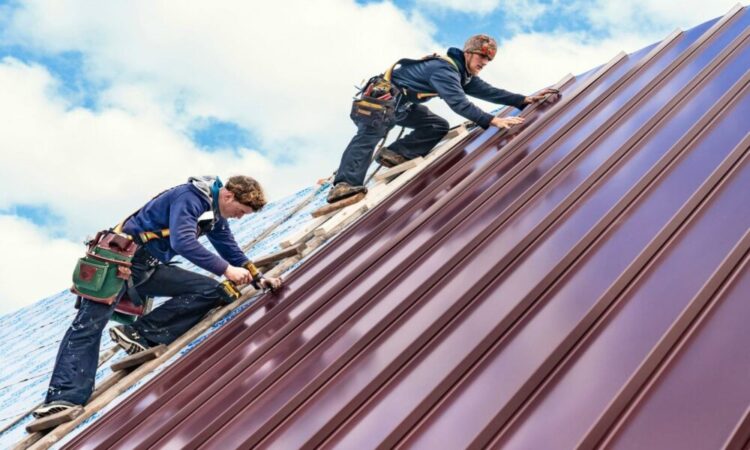
You can buy good materials and still end up with a bad roof. That sounds harsh, but it happens. The way a roof is installed can outweigh the brand name printed on the warranty. In commercial roofing Coppell work, many early failures trace back to rushed jobs or skipped steps.
Seams that are not sealed correctly or flashing that is poorly fitted may look fine at first. Months later, small gaps let water in. Once moisture gets below the surface, repairs become more expensive and disruptive. Skilled installers who take the time to get details right usually deliver roofs that last much longer.
Drainage issues quietly shorten roof life
Water always wins if it hangs around long enough. One of the most common problems seen on commercial roofs is poor drainage. Even shallow puddles that stick around after rain can weaken materials over time.
Coppell storms can drop a lot of water fast. If drains are undersized or slopes are uneven, water collects where it shouldn’t. During commercial roofing Coppell installations, proper slope planning and drain placement should never be treated as optional extras. Fixing drainage later is rarely simple or cheap.
Weather in Coppell adds its own challenges
North Texas weather has a way of testing roofs. Intense heat, sudden temperature swings, high winds, and hail all show up sooner or later. Roofing systems need to be built with that reality in mind.
Edge details that resist wind uplift and surfaces that handle impact better can make a real difference. This is also where a regular Coppell roof inspection becomes useful. Spotting damage early, especially after storms, can prevent small issues from turning into leaks inside occupied spaces.
Maintenance habits shape real-world performance
Even a well-installed roof will not last forever without care. Leaves clog drains. Sealants dry out. Fasteners loosen. None of this means the roof is failing, but ignoring it speeds up the ageing process.
Property owners who plan routine maintenance usually avoid emergency repairs. A Coppell roof inspection scheduled once or twice a year often catches issues that are still easy to handle. In commercial roofing Coppell environments, that kind of attention can extend roof life by years.
Typical maintenance tasks often include:
- Clearing debris after storms
- Checking seams and penetrations
- Resealing worn areas
- Watching interior ceilings for early warning signs
Thinking ahead saves frustration later
Buildings change over time. New equipment gets added. Tenants come and go. Roofs that are designed with future access in mind tend to hold up better. Walk paths and reinforced areas reduce accidental damage during service visits.
This kind of planning is not always discussed upfront, but it should be. Commercial roofing Coppell projects that consider long-term use often avoid repeated patching and premature wear.
Bringing it all together
There is rarely one single reason a commercial roof performs well or poorly. It is usually the result of several small decisions lining up. Choosing materials that fit the building, insisting on proper installation, managing water, and sticking with regular Coppell roof inspection schedules all contribute to long-term results.
Commercial roofing Coppell properties that stay dry and reliable are usually owned by people who treat the roof as part of the building’s overall health, not just a surface overhead.
If you’re unsure how your roof is holding up or planning for future needs, having a low-pressure conversation with a local professional can help clarify options and avoid surprises down the road.